
Star Digital Marketing
The Star Digital Editorial Team shares ideas, experiences, and observations that come up while exploring the world online. The blog is a space to put those thoughts into words and provide readers with helpful insights.

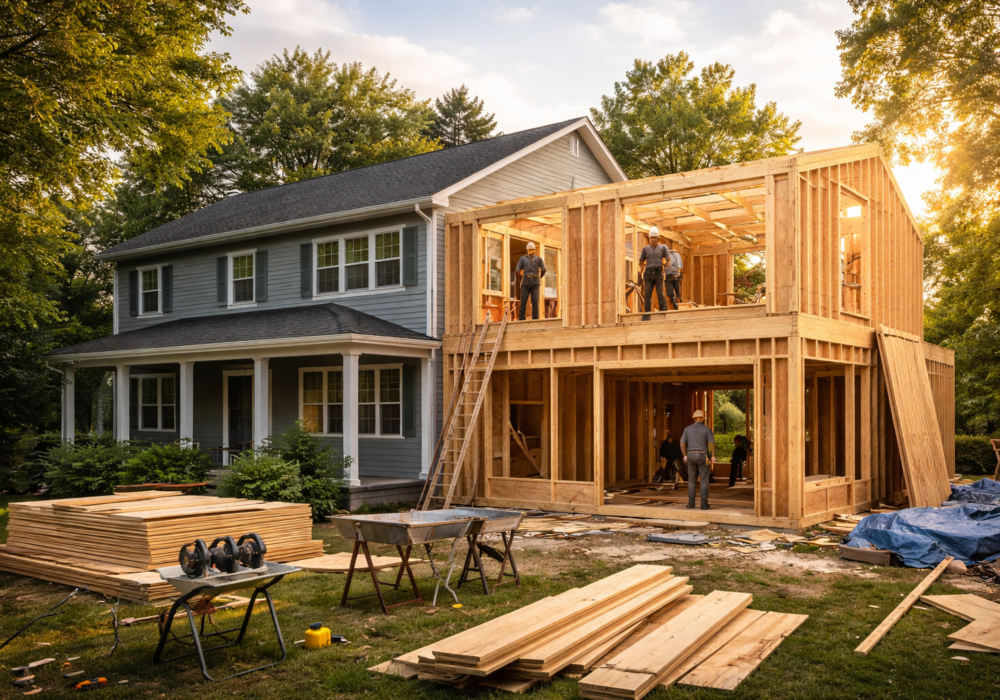
There is a moment most homeowners reach quietly.
Not in a dramatic way. More like standing in the kitchen late at night, noticing how the room feels smaller than it used to. Or watching kids do homework on the floor because the table is already full. Nothing is “wrong,” exactly. But space has started to press in.
That is usually when the question surfaces: What would it actually cost to add on?
Not the glossy estimate. The real one. The kind that accounts for weather, permits, decisions, and the human tendency to change one’s mind halfway through.
In Illinois, home addition costs are rarely simple numbers. They are stories made of square footage, regulations, priorities, and timing.
And a little uncertainty. Always some uncertainty.
A home addition in Illinois can range widely in cost, often anywhere from the low five figures to well into six. The spread can feel unsettling, but it exists for reasons that make sense once they are seen clearly.
Local building codes are a major factor. Illinois municipalities tend to be thorough, sometimes strict, and often careful. Permits, inspections, zoning approvals — none of these are optional, and all of them influence both budget and timeline.
Then there is the structure itself. Adding a simple bedroom above an existing space is very different from extending a foundation outward. Soil conditions, drainage, snow load requirements — these are not design flourishes. They are practical realities that quietly shape cost.
Materials matter too, though not always in the way people expect. It is not just about choosing premium finishes. It is about durability in a climate that swings from deep winter to heavy summer storms. Corners cut early tend to show up later, usually at inconvenient times.
This is why discussions around home addition cost in Illinois often sound vague at first. They are not avoiding clarity. They are respecting complexity.
Even within the same state, costs can shift noticeably by area. Residential construction in suburban communities like Kildeer operates under different expectations than dense urban neighborhoods or rural properties.
In places like Kildeer, homeowners often prioritize longevity and cohesion — additions that look as though they were always part of the home. That level of integration takes planning, careful construction sequencing, and an understanding of local architectural norms.
This is where residential construction services in Kildeer, IL, differ subtly from broader regional averages. There is a focus on craftsmanship that blends new and old without drawing attention to the seam. That effort does not always scream “luxury,” but it does require skill, time, and experience.
The cost reflects that quiet precision.
Budgets are important. Schedules too. But the emotional experience of construction often hinges on one decision above all others: choosing a general contractor in Illinois who understands both the technical and the human sides of the process.
Construction disrupts routines. It introduces noise, dust, decisions, and waiting. A good contractor does not eliminate these things, but they soften their impact. They explain delays without defensiveness. They flag concerns early, not after problems harden into stress.
This is especially important in Illinois, where weather alone can rewrite timelines. A contractor familiar with local conditions plans for this rather than reacting to it.
Trust is not built through sales language. It is built through consistency, transparency, and the quiet confidence that comes from having guided many homeowners through similar moments before.
Sometimes, midway through planning an addition, a different question appears. Not louder, just persistent.
Is this still an addition… or is it becoming something closer to a rebuild?
This is where conversations drift naturally into custom home building vs standard construction. Not as an upsell, but as a clarification. Large additions can approach the scale of partial reconstruction, especially when structural systems, layouts, or utilities need reworking.
Standard construction methods are efficient and familiar. Custom building allows deeper alignment with how a family actually lives. Neither is inherently better. The right choice depends on how much change is truly needed — and how long the home is expected to serve its next chapter.
Cost differences emerge here not just from materials, but from design freedom and coordination complexity. Custom work demands more upfront thinking. Standard approaches lean on established solutions.
Both can be wise. Both can be wasteful if mismatched to the situation.
Most homeowners budget for square footage, finishes, and labor. Fewer anticipate the softer costs that still matter.
Temporary living adjustments. Storage. Minor landscaping restoration. Time off work to meet inspectors or review changes. These do not always appear on invoices, but they affect the overall experience.
In Illinois, winter scheduling alone can introduce hidden costs — temporary heating, weather protection, and extended timelines. These are not mistakes. They are realities.
Acknowledging them early tends to reduce frustration later.
Home additions are practical decisions wrapped in personal history. The house holds routines, memories, and expectations. Changing it can feel exciting and unsettling at the same time.
That tension is normal. It does not mean the decision is wrong. It means it matters.
The most successful projects tend to begin not with measurements, but with conversations — conversations about how space is actually used, what quietly feels cramped, and what no longer fits the way life has shifted over time.
Cost clarity follows these discussions more naturally than the other way around.
Moving Forward Without Rushing It
Understanding what a home addition really costs in Illinois is less about arriving at a number and more about understanding the forces shaping it. Regulations. Climate. Design choices. Human priorities.
Reliable builders approach this with patience rather than pressure. They outline options. They explain trade-offs. They allow homeowners to pause.
When residential construction services are explored with clarity instead of urgency, outcomes tend to feel steadier — and regrets are far less common.
For more insight into professional construction services and how projects are approached locally, visiting the main Salman Builders site offers helpful context:
https://salmanbuilders.com/
For general guidance on residential building standards and homeowner responsibilities, this federal resource provides useful background without sales framing:
https://www.usa.gov/home-repair-programs
Clarity tends to arrive gradually. Not all at once.
And that is usually a good sign.
The Star Digital Editorial Team shares ideas, experiences, and observations that come up while exploring the world online. The blog is a space to put those thoughts into words and provide readers with helpful insights.