
Star Digital Marketing
The Star Digital Editorial Team shares ideas, experiences, and observations that come up while exploring the world online. The blog is a space to put those thoughts into words and provide readers with helpful insights.

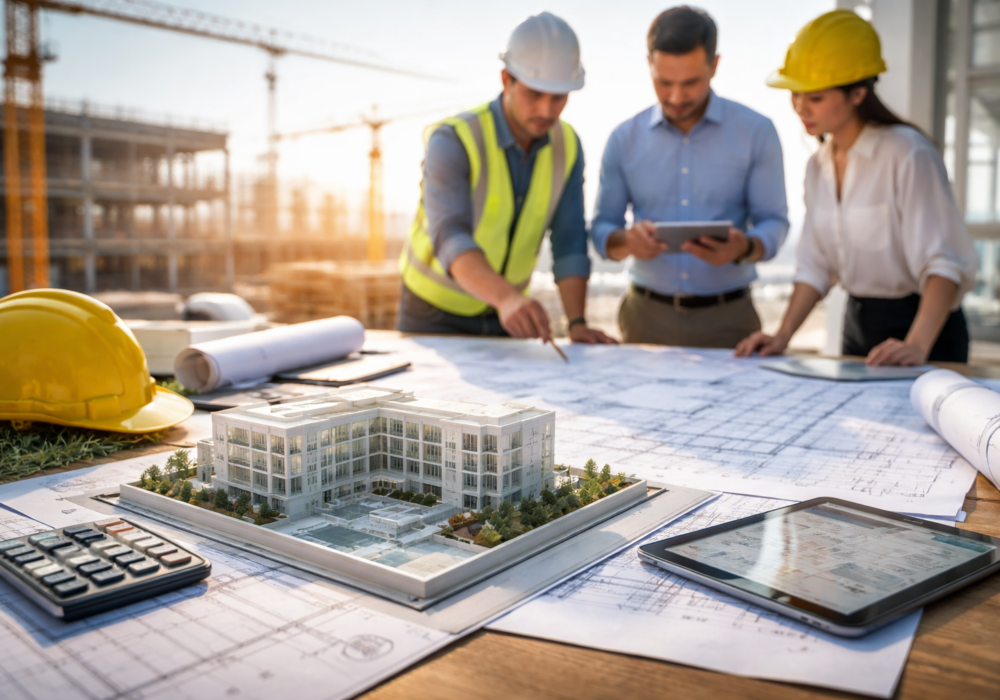
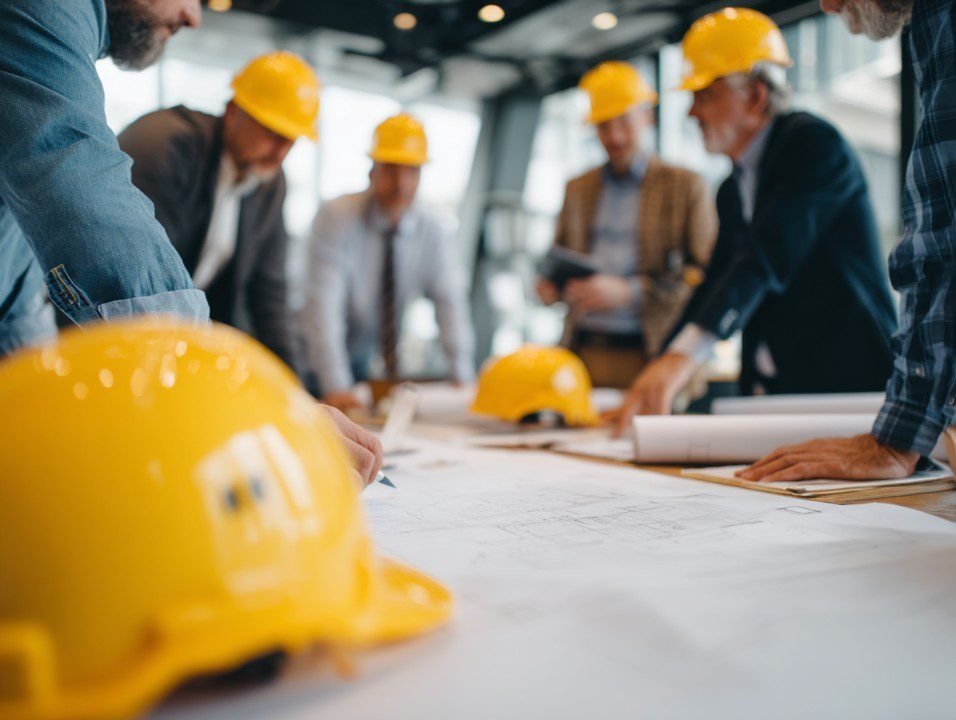
Most expensive construction mistakes don’t look dramatic in the beginning.
They look small. Harmless, even.
A slightly rushed estimate. A detail that “should work.” A coordination note that gets pushed to later because everyone assumes it will sort itself out.
Later has a way of becoming expensive.
Reducing risk and cost is rarely about being aggressive with numbers. It’s about slowing down at the right time. And that’s where real preconstruction planning services quietly earn their place. Not as paperwork. Not as red tape. But as insulation against chaos.
And yes, chaos is always waiting.
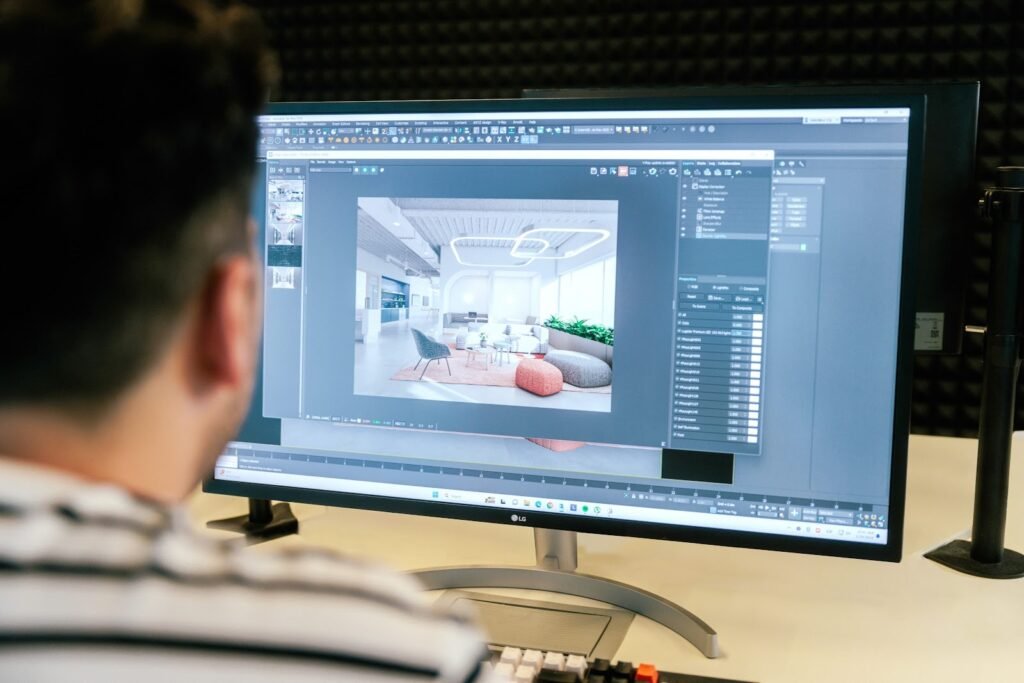
Preconstruction is not photogenic.
There are no cranes. No hard hats in dramatic sunset lighting. Just spreadsheets. Conversations. Markups. Revisions. Then more revisions.
But this is where tone gets set.
A solid preconstruction process asks uncomfortable questions early. Is the budget realistic? Is the schedule padded or optimistic? Are material lead times assumed or confirmed?
It’s tempting to treat those conversations as formalities. They’re not.
They are the difference between building with control and building with hope.
When cost estimates are sharpened early, when trade partners are looped in before drawings are “final,” something subtle happens. The project becomes grounded. Less speculative. Less vulnerable to emotional decision-making once construction starts.
That grounding matters more than people think.
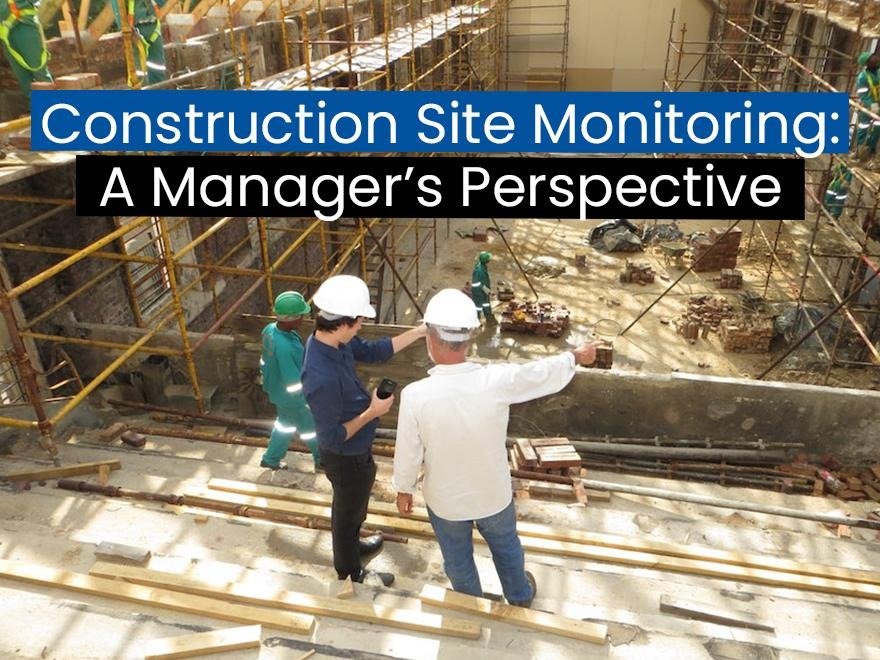
Most people assume architectural modelling is about presentation.
Pretty renderings. Client approvals. Marketing visuals.
And yes, those are helpful.
But the real architectural modelling benefits are quieter.
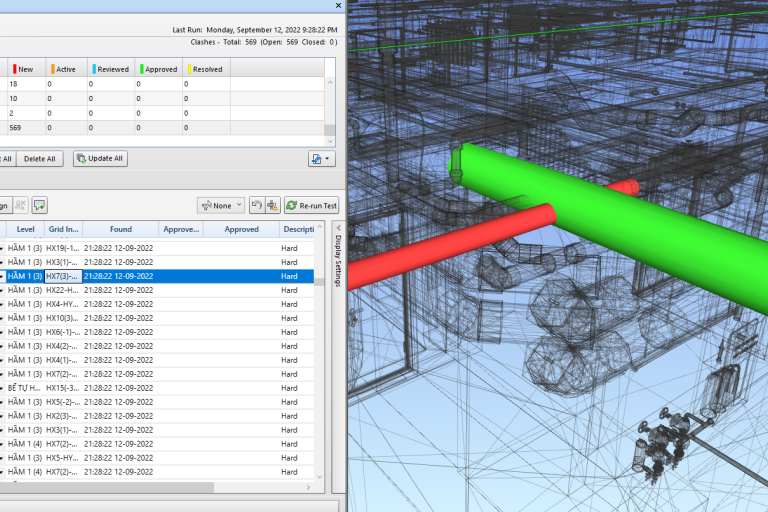
A duct that doesn’t collide with a beam because someone caught it digitally. A ceiling height adjustment that avoids rework. Mechanical routing that makes maintenance easier five years from now.
Three-dimensional coordination forces reality into the room early. It exposes gaps. It removes the luxury of vague interpretation.
There’s something almost humbling about watching a full BIM model rotate on a screen. You see the building in layers. Structural. Mechanical. Electrical. All speaking to each other. Or not speaking, which is usually where trouble hides.
Digital modelling doesn’t eliminate risk. Nothing does. But it reduces blind spots.
And blind spots are expensive.
Organizations like the U.S. Green Building Council often emphasize integrated planning for sustainable builds. That integration increasingly relies on early modelling coordination, not as a tech trend but as a practical necessity.
Because correcting a mistake in a model costs almost nothing.
Correcting it in steel costs a lot.

Construction sites are emotional places.
Deadlines loom. Deliveries get delayed. Subcontractors defend their scope. Owners worry about budgets. There’s noise. Pressure. Sometimes ego.
This is where construction management experts make their impact felt, though rarely celebrated.
They absorb tension.
First, they ask for clarification instead of escalation. Then, when reviewing a schedule adjustment, they look beyond the immediate shift and anticipate the ripple effects before they happen. At the same time, they understand when to push for progress and when to pause deliberately. Because of that balance, decisions feel measured rather than reactive.
It’s not glamorous leadership. It’s disciplined leadership.
And discipline protects money.
The Construction Management Association of America often discusses proactive oversight as one of the strongest predictors of cost stability. That idea sounds academic. On-site, it feels much more practical.
It feels like someone is steadying the wheel before the vehicle drifts.
Big overruns usually start small.
A design ambiguity here.
A substitution there.
A rushed decision to “keep things moving.”
Layer enough of those together, and suddenly the project feels heavy. Reactive. Defensive.
Strong preconstruction planning services reduce that layering. Architectural modelling benefits reduce technical ambiguity. Experienced management reduces emotional reactions.
None of these eliminates uncertainty. Construction will always involve unknowns. Weather changes. Supply chains shift. Regulations update.
But preparation turns uncertainty into something measured rather than feared.
And that emotional difference affects teams more than spreadsheets ever show.

Cost control gets attention because numbers are visible.
What’s less visible is confidence.
When planning has been thorough, when modelling has clarified design intent, and when management communicates consistently, projects tend to feel calmer. As a result, stakeholders trust the process more easily. Instead of defending decisions, teams begin collaborating more openly. In turn, communication becomes clearer, and small issues are resolved before they grow. Ultimately, that steady rhythm shapes the entire outcome.
That atmosphere reduces friction.
Friction costs time.
Time costs money.
It’s rarely written that plainly in contracts, but everyone who has lived through a strained build understands it.
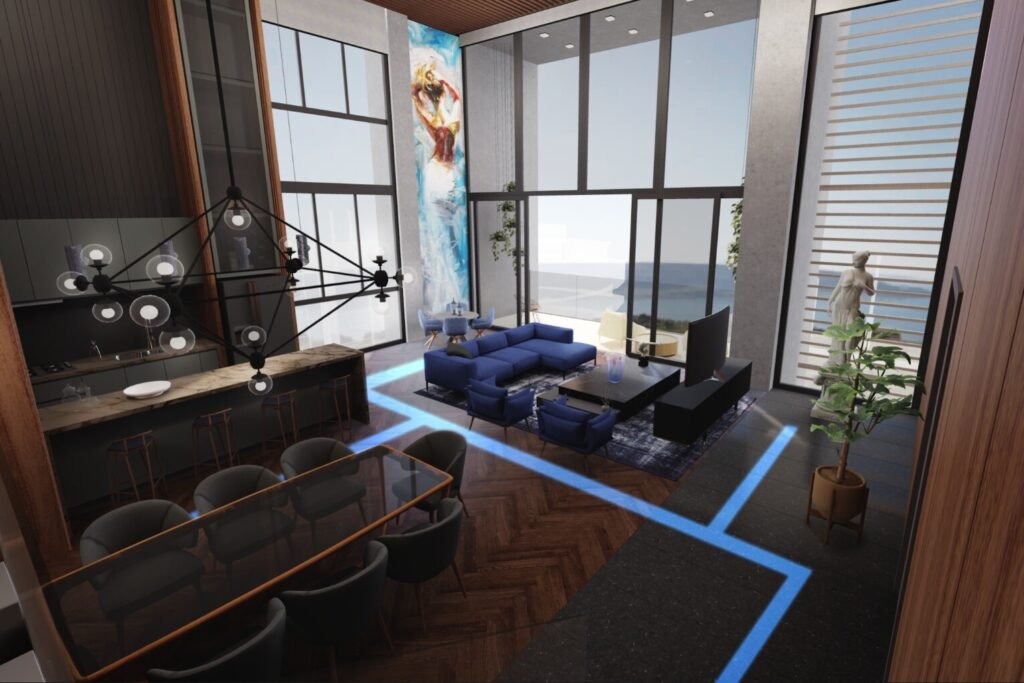
Companies like Salman Builders approach construction with that layered thinking in mind. Instead of rushing past the early stages, they slow them down. Rather than treating planning as a checkbox, they treat it as a strategy. By integrating modelling with oversight and by aligning teams early, they reduce friction before momentum makes change difficult.
Because once that momentum builds, however, adjusting direction becomes harder — and, inevitably, more expensive.
In that sense, reducing risk and cost isn’t about pessimism. Instead, it’s about foresight. More specifically, it’s about recognizing patterns before they repeat themselves.
Ultimately, it comes down to a simple truth: mistakes are almost always easier to prevent than repair.

In the End
Steel sets. Concrete cures. Buildings stand.
But long before that, there are meetings. In those early stages, there are questions. At times, slight hesitations. More importantly, careful reviews that may feel excessive in the moment. However, those pauses are rarely wasted. Instead, they create space for better decisions. Ultimately, that early diligence is what keeps the project steady when real pressure begins.
They’re not excessive.
They’re protective.
Preconstruction planning services create the discipline.
Architectural modelling benefits create clarity.
Construction management experts create stability.
And together, they don’t just reduce risk and cost.
They create projects that feel steady from start to finish.
The Star Digital Editorial Team shares ideas, experiences, and observations that come up while exploring the world online. The blog is a space to put those thoughts into words and provide readers with helpful insights.